
 Did President Trump obstruct justice? While not all of the conduct that Special Counsel Robert Mueller considered would justify obstruction charges, some easily could. Trump did many things to try to impede investigations by the FBI and Mueller into his activities and those of his campaign. It is not surprising that Mueller declined to exonerate the president. But the more important question is how to hold Trump accountable.
Attorney General William Barr was right to reject obstruction charges, even if not all of his reasons for doing so were persuasive. According to long-standing Department of Justice guidelines, it would be unconstitutional to indict or criminally prosecute a sitting president, and there are strong arguments for that position. The remedies for misconduct by presidents include impeachment, denying them reelection, and prosecution after they leave office.
In other words, as long as Trump is president, the remedies are not legal but political–impeachment or voting him out of office next year. Continue Reading Obstruction of Justice and the Mueller Report
 As Democratic voters weigh their choices for a nominee to challenge Donald Trump next year, they should take care not to succumb to the “savior” phenomenon. The public tends to develop exaggerated expectations as to what its leaders can accomplish. In a too-common view, if we could only identify the right person for the Oval Office, we could solve our country’s problems.
 Two weeks ago, President Trump broke with long-standing U.S. policy when he
 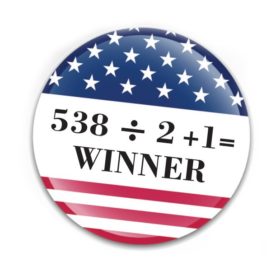 With Donald Trump and George W. Bush becoming President after receiving fewer votes than their opponents, calls to abolish the Electoral College have increased.
  One can easily imagine both good and bad reasons for the House Committee on Ways and Means to